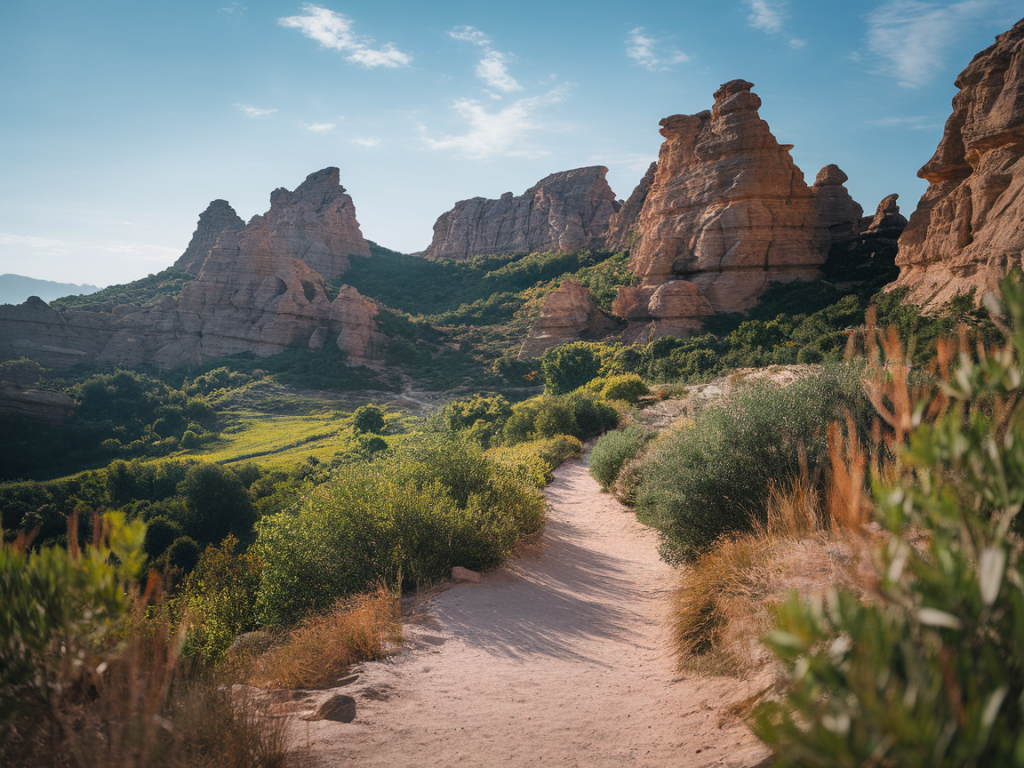
I’ve always believed that travel teaches me as much about strategy and resilience as any business book. When I first set out on a randonnée dans les villages blancs dAndalousie, I didn’t expect to return with lessons that translate directly to leadership, team-building and trend-spotting — but that’s exactly what happened. Below I share a practical, field-tested guide to hiking the White Villages of Andalusia, blending on-the-ground tips, route comparisons, safety notes, and the unexpected business insights I picked up along the way.
Why the White Villages? A quick perspective
The "pueblos blancos" (white villages) of Andalusia are a string of hilltop towns characterized by narrow alleys, whitewashed walls, and panoramic views. For me, they represent a combination of cultural heritage and accessible nature: routes are often short but steep, and the payoff — dramatic vistas, local food, and authentic encounters — is high.
Key stats and what to expect
- Typical route length: 6–18 km per day
- Elevation gain: 200–800 m depending on route
- Average hiking time: 3–7 hours per route
- Best seasons: March–June and September–November (avoid July–August for heat)
- Average temperature range: 10–25°C in shoulder seasons
These figures helped me plan logistics and risk assessment like I would for a cross-functional project: map timelines, allocate resources (water, food, time), and plan for contingencies (heat, closures).
Top routes and comparative table
Below I compare the routes I hiked and recommend, with a quick glance to help you choose based on fitness level, scenery and time investment.
| Route | Distance | Elevation gain | Difficulty | Highlights |
|---|---|---|---|---|
| Ronda – Setenil loop | 14 km | 450 m | Moderate | Clifftop views, cave houses in Setenil |
| Grazalema to Zahara | 18 km | 700 m | Challenging | Mountain ridges, Sierra Grazalema |
| Frigiliana and El Acebuchal | 10 km | 350 m | Easy-Moderate | Mediterranean orchards, Moorish alleys |
| Olvera to Algodonales | 12 km | 500 m | Moderate | Panoramic valley views |
Essential gear and packing checklist
- Lightweight hiking boots (water-resistant) — broken in
- Sun protection: hat, sunglasses, SPF 50
- Water: at least 1.5–2 L per person for half-day hikes
- Layered clothing: moisture-wicking base, windbreaker
- Portable charger + offline maps (I use Maps.me and Komoot)
- Basic first-aid kit and blister care
- Cash — many small village cafés don’t take cards
Navigation, safety and timing
I prefer mixing paper maps and apps. For navigation, I rely on Komoot for pre-planning and Maps.me for offline navigation. Trails are generally well-marked but I’ve encountered ambiguous junctions — so I always save an offline map and download GPX tracks in advance.
- Start early: Begin hikes between 7:30–9:00 to avoid mid-day heat and to have time for village stops.
- Hydration strategy: Sip regularly; in hotter months treat water like a limited resource.
- Emergency: Mobile coverage is good in most valleys but patchy on ridges — agree on a check-in time with travel partners.
Where to eat, sleep and recharge
Hospitality in the White Villages is a highlight. Small guesthouses (casas rurales) and boutique inns are common. I keep two priorities: location near the trailhead and strong local reviews. For food, embrace the regional cuisine: tapas, jamón ibérico, fresh salads, and grilled fish near the coast.
- Budget: Hostels and basic guesthouses — €25–45/night
- Mid-range: Charming casas rurales — €60–120/night
- Premium: Boutique hotels in Ronda or Frigiliana — €130+ /night
Cultural and environmental respect
When I hike in Andalusia, I treat each village as a living business ecosystem. Respect local schedules (siesta), support family-run bars, and follow Leave No Trace. A small act—buying coffee locally—goes a long way in sustaining the rural economy.
Sample 3-day itinerary (logistics-minded)
- Day 1: Arrive in Ronda, short acclimatization walk, evening in town.
- Day 2: Ronda – Setenil loop, lunch in Setenil, transfer to Grazalema.
- Day 3: Grazalema ridge hike to Zahara (or shorter alternative), return to Ronda or onward to Málaga.
Costs and budgeting (per person)
- Accommodation (3 nights average): €90–300
- Food and drinks (per day): €20–50
- Transport (local buses/car rental per day): €10–50
- Guided hike (optional): €30–80/day
Why this is relevant to business readers
As someone who writes about trends, I find the White Villages a case study in resilient micro-economies. These villages leverage heritage, outdoor recreation and gastronomy to attract sustainable tourism. That model — using local assets to create differentiated, experience-driven value — is exactly what many businesses aim for when pivoting or experimenting with new revenue streams.
Practical tips from local guides and sources
- Book ahead in high season (April–May & October) — popular guesthouses fill early.
- Consider a guided day with a local association to access lesser-known paths and learn about flora/fauna.
- Use local tourism offices as planning resources — they often have free trail maps.
Useful external resources
- Official Andalusia Tourism — practical regional info and events
- Pueblos blancos (Wikipedia) — historical and cultural background
- Komoot — route planning and GPX downloads
- Detailed route resource for the White Villages — in-depth trail descriptions