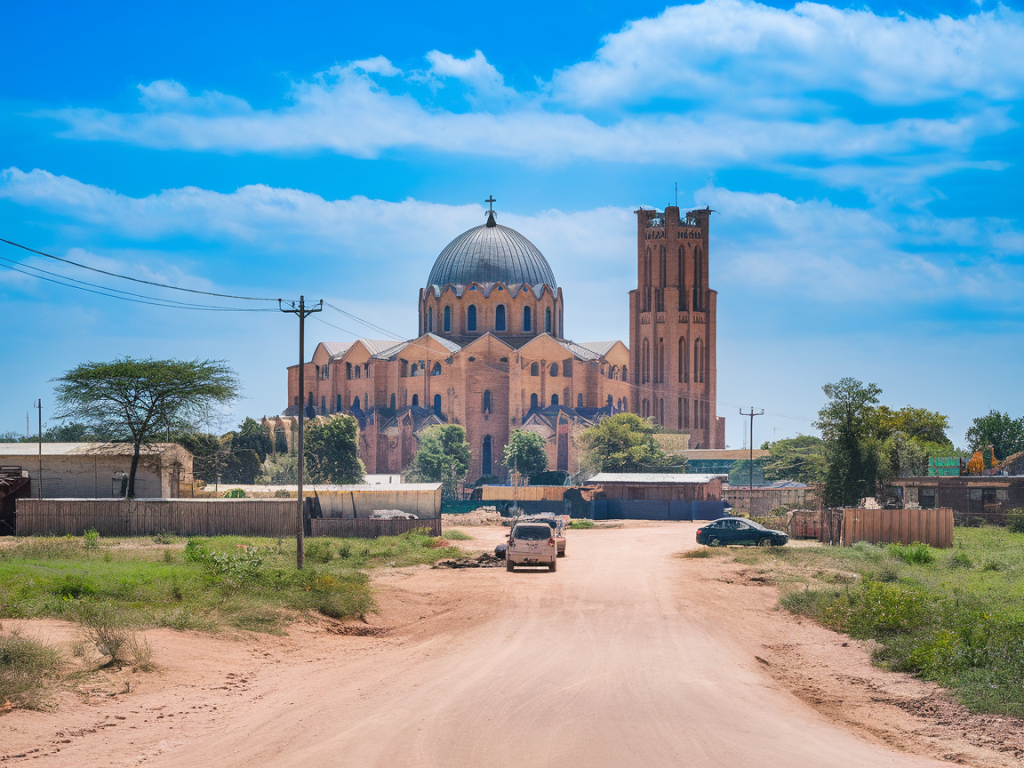
I’ve always believed that capitals reveal more than politics—they hold stories, oddities and practical lessons for travelers and professionals alike. On a recent research trip to Tanzania, I focused on the often-overlooked center of government: Dodoma. In this piece I share what I learned about the secrets et curiosités de Dodoma, combining historical context, urban insights, travel curiosities and business-relevant takeaways. If you’re curious about urban transitions, investment atmospheres in emerging capitals, or simply planning a trip off the beaten track, read on—this city has more layers than you imagine.
Why Dodoma? A brief primer
Dodoma became Tanzania’s official capital in 1974, replacing Dar es Salaam as the administrative heart. The move was driven by geography (central location), politics (decentralization efforts) and a desire to develop the interior. Despite the official status, the transition has been gradual: many ministries and embassies remained in Dar es Salaam for decades. That paradox—official capital but pragmatic split functions—creates several unique dynamics that I found fascinating.
Urban layout and surprising curiosities
Walking Dodoma’s quieter streets, I noticed patterns uncommon in coastal East African cities:
One of the city’s curiosities is its dual identity: a calm administrative capital by day, and a community-oriented town where local markets and village-like social networks dominate everyday life. The National Assembly’s new complex and the modernist silhouette of government buildings stand in contrast with vendors selling maharage (beans), fresh produce and local crafts right outside official gates.
Secrets from local entrepreneurs and officials
I spoke with small-business owners, municipal planners and a few ministry staff (off the record) to learn the subtler realities behind policy headlines. Here are the key takeaways:
For business readers, that means Dodoma is a place for early movers who can bridge existing service gaps: logistics, hospitality, digital services and training.
Stats and numbers that matter
Here are several numbers I referenced while analyzing Dodoma’s development trajectory:
To validate and expand, I cross-checked official sources: the Tanzanian Ministry of Lands and Housing, UN Habitat reports on urbanization, and recent press coverage on Dodoma’s government relocation. See further reading below.
Transportation and logistics: navigating Dodoma
Transport shapes opportunity in Dodoma. The city is connected by:
Practical tip I learned from local freight operators: plan for buffer time on supply chains. Road upgrades are ongoing, but seasonal rains and maintenance can affect lead times. For businesses, combining rail and road when possible reduces cost volatility.
Culture, cuisine and offbeat attractions
Dodoma’s culture is distinct: it blends Gogo and other inland ethnic traditions with national Tanzanian influences. A few delights I recommend exploring:
I tried a local dish based on ugali and mchicha (greens with peanut sauce) at a family-run restaurant; it’s a reminder that food scenes outside major tourist hubs can be both authentic and excellent value.
Policy, governance and the move to a “distributed” capital
One of the city’s long-held secrets is the slow-motion nature of capital relocation. While Dodoma hosts the National Assembly and several ministries, Dar es Salaam remains Tanzania’s economic engine. Here’s what that means:
For policymakers and investors, following government procurement cycles and infrastructure tenders in Dodoma can reveal early opportunities.
Data-driven opportunities for businesses
I mapped several sectors where I see clear potential:
These aren’t speculative ideas—they came from conversations with entrepreneurs and by reviewing public procurement notices and the Tanzanian National Development plans.
Practical travel guide (what I tell colleagues)
If you plan to visit Dodoma for work or exploration, here are practical tips I personally use:
Resources and further reading
For readers who want to dive deeper, I relied on and recommend these external sources:
Quick comparative table: Dodoma vs Dar es Salaam (practical metrics)
| Metric | Dodoma | Dar es Salaam |
|---|---|---|
| Primary role | Administrative / political capital (growing) | Economic & commercial hub |
| Population (city region) | ~1 million | ~6 million+ |
| Infrastructure intensity | Medium — expanding | High — developed port & international airport |
| Business opportunities | Government contracting, construction, services | Trade, finance, shipping, large-scale services |